

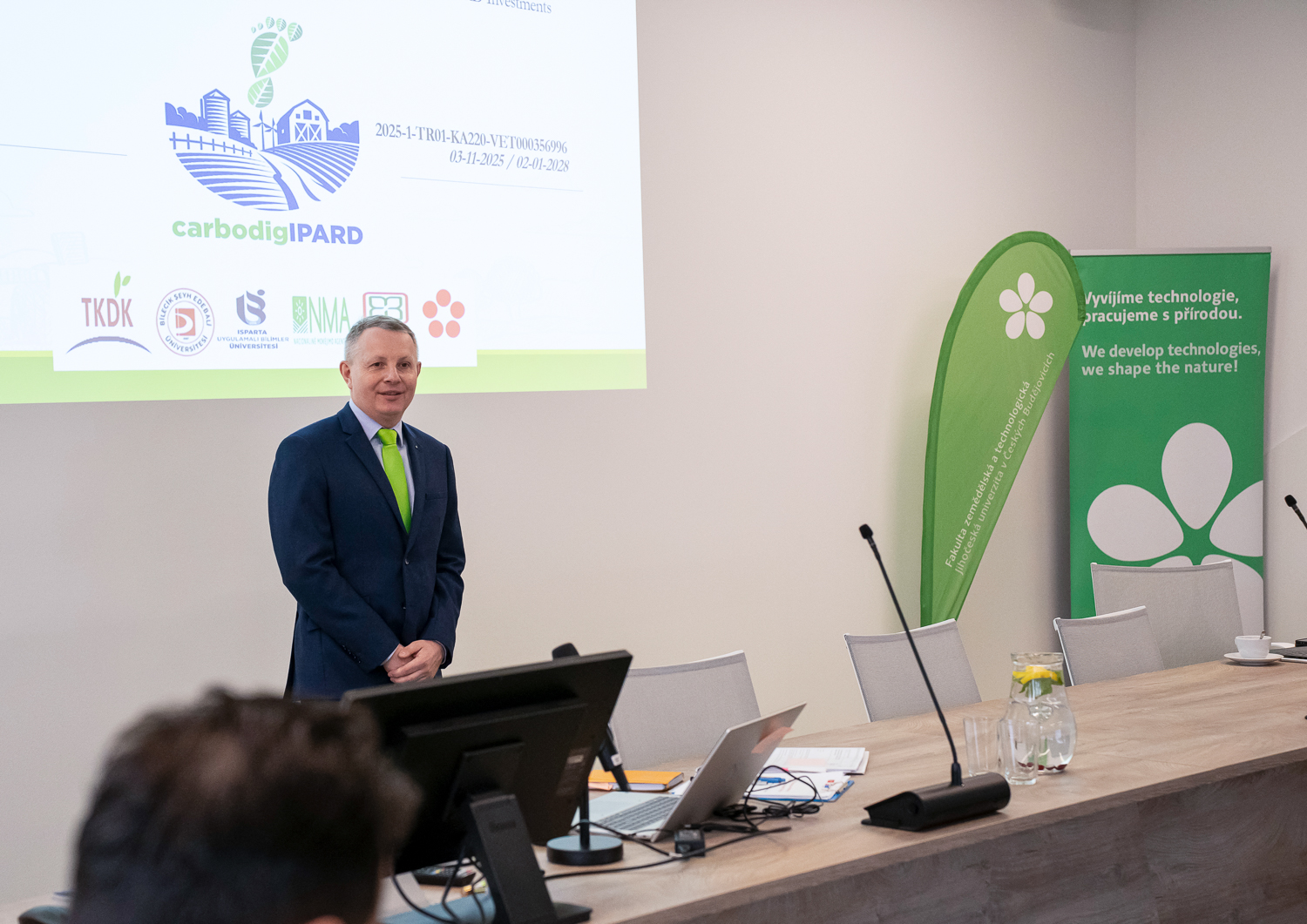
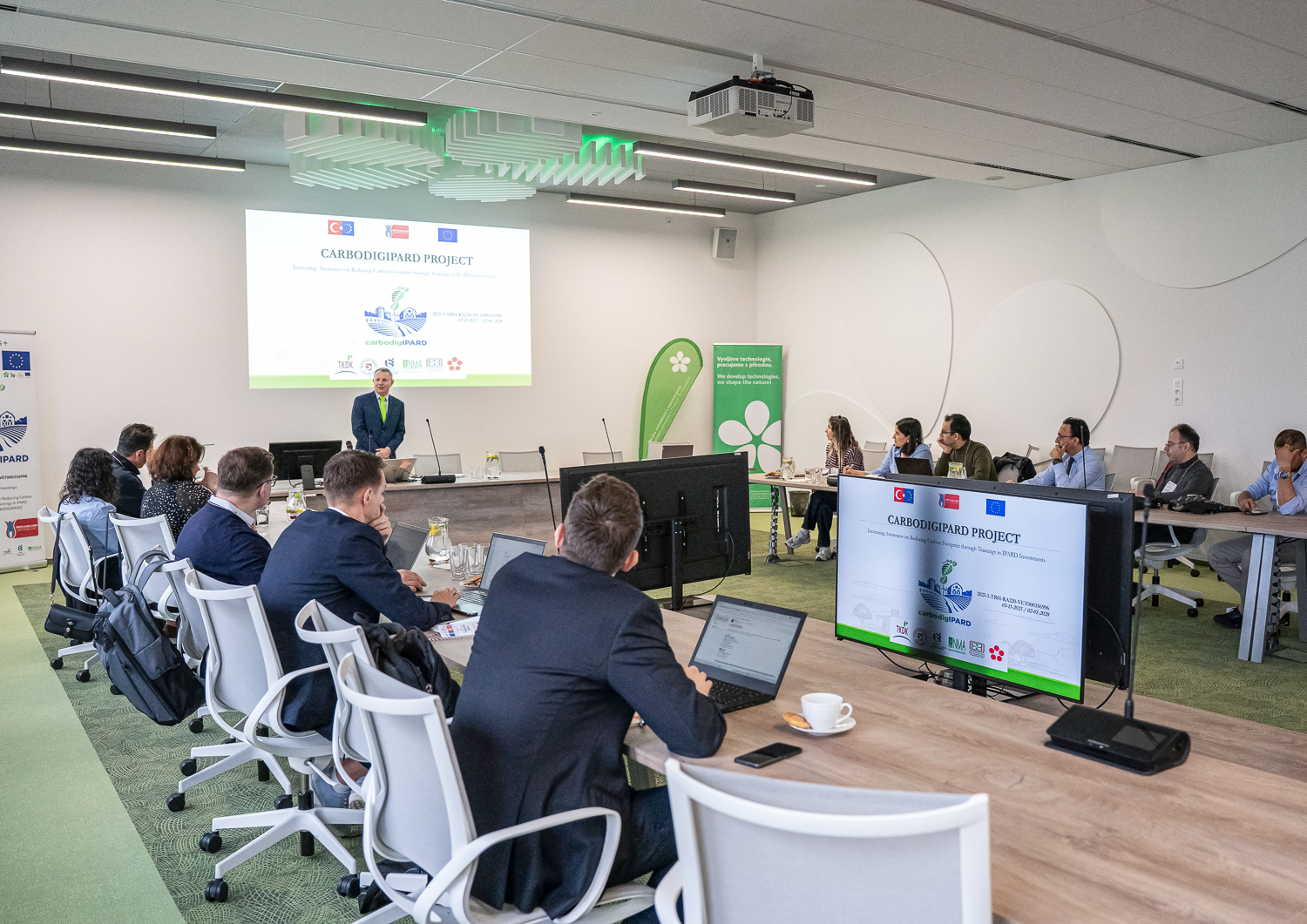
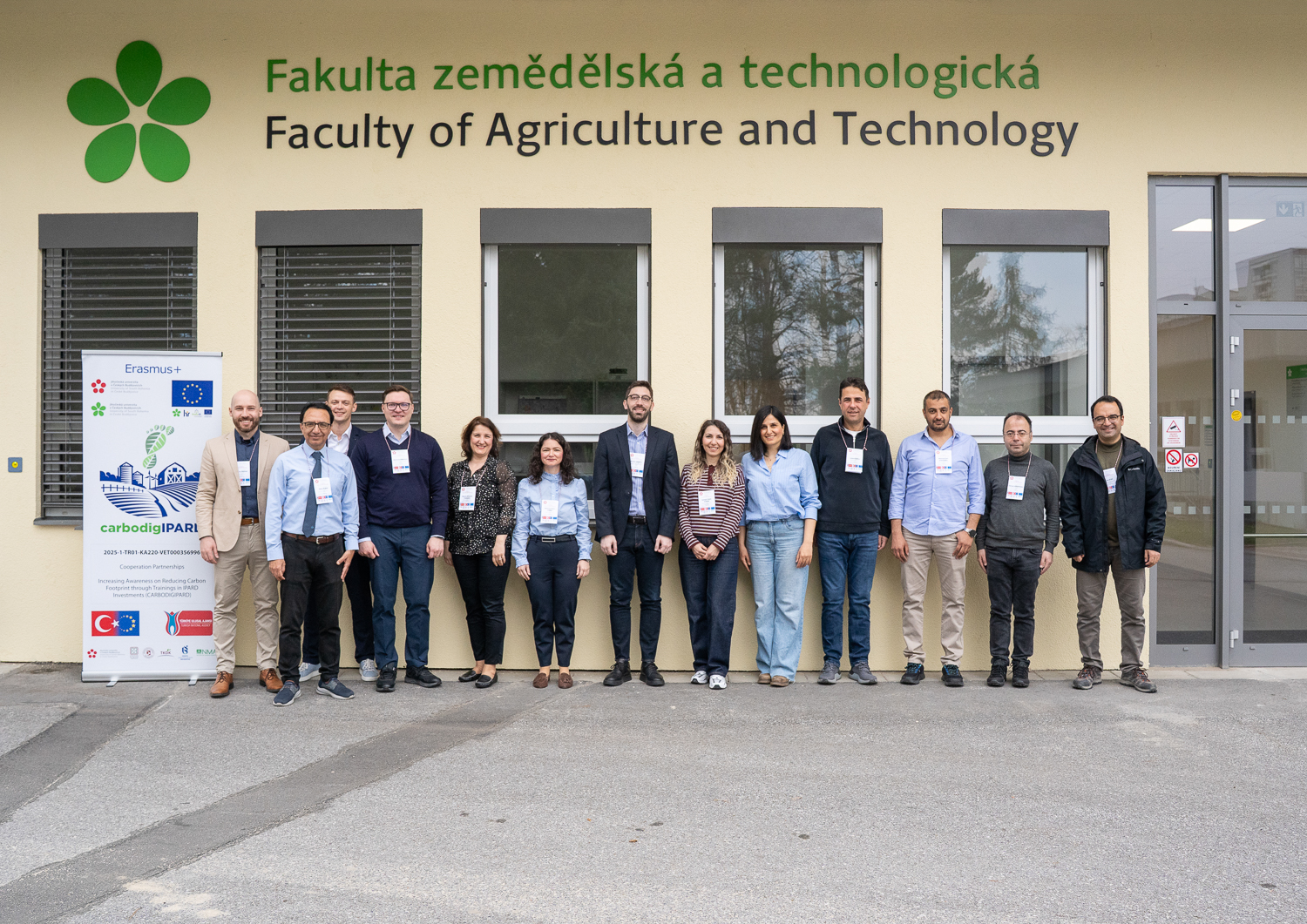
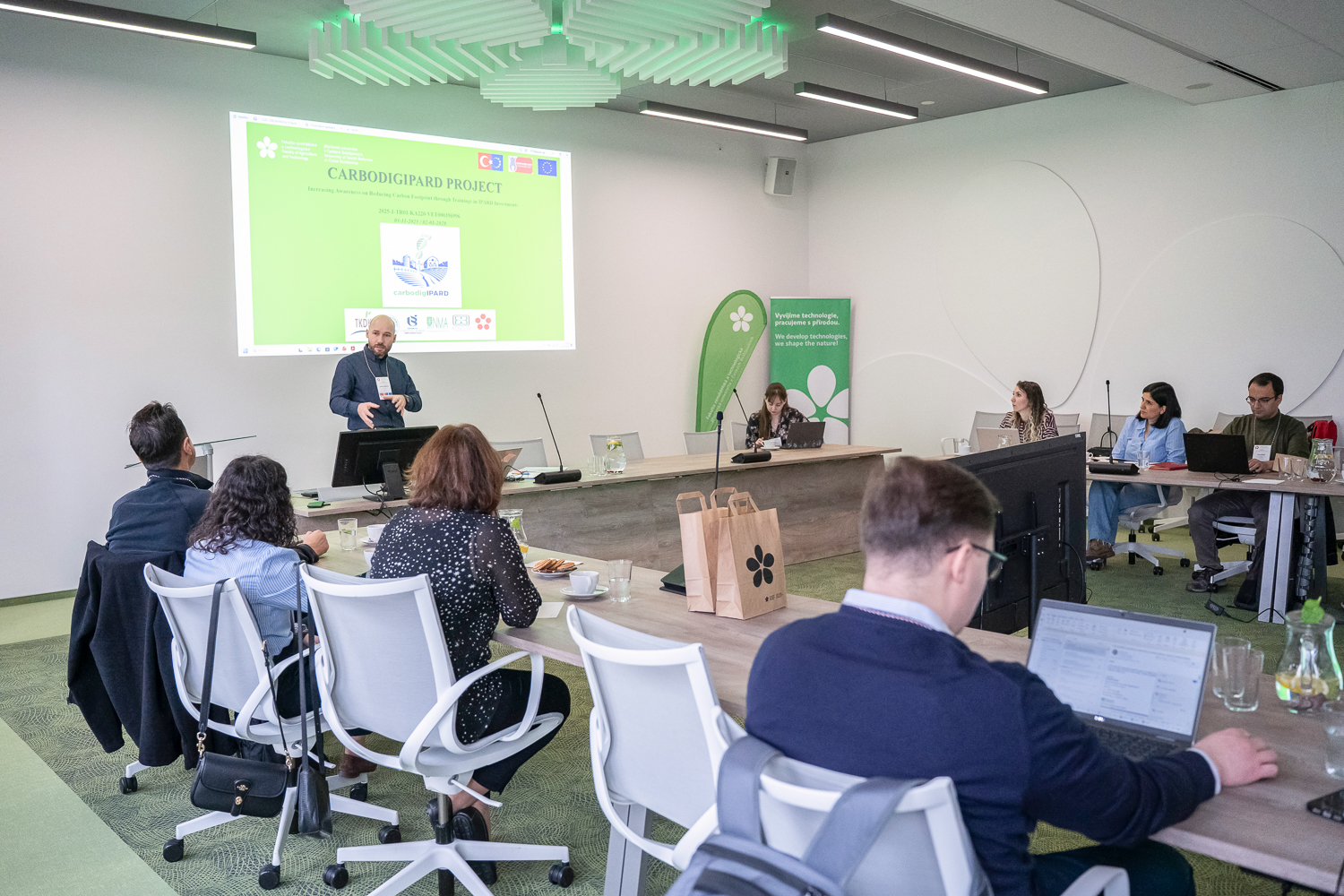
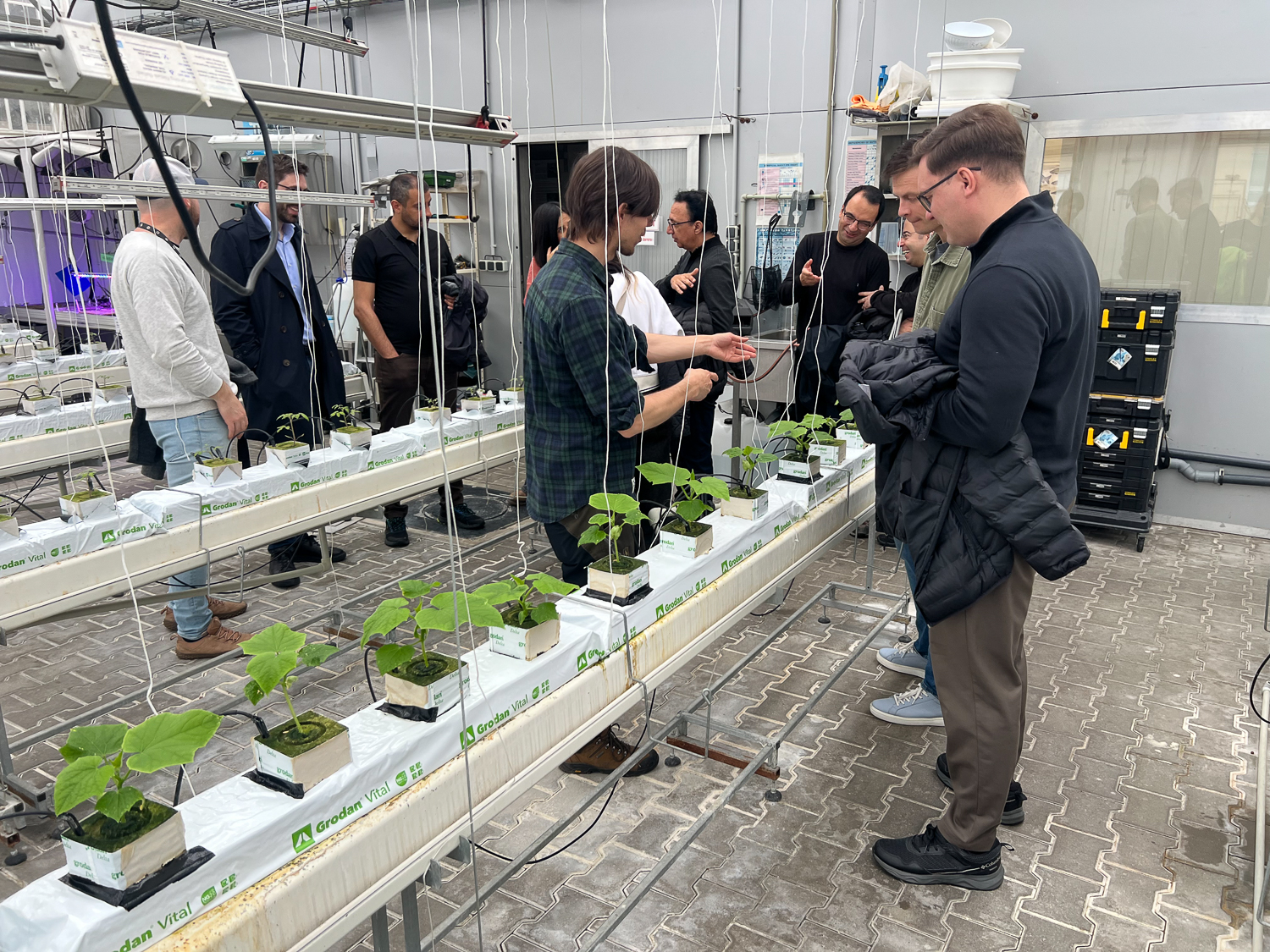
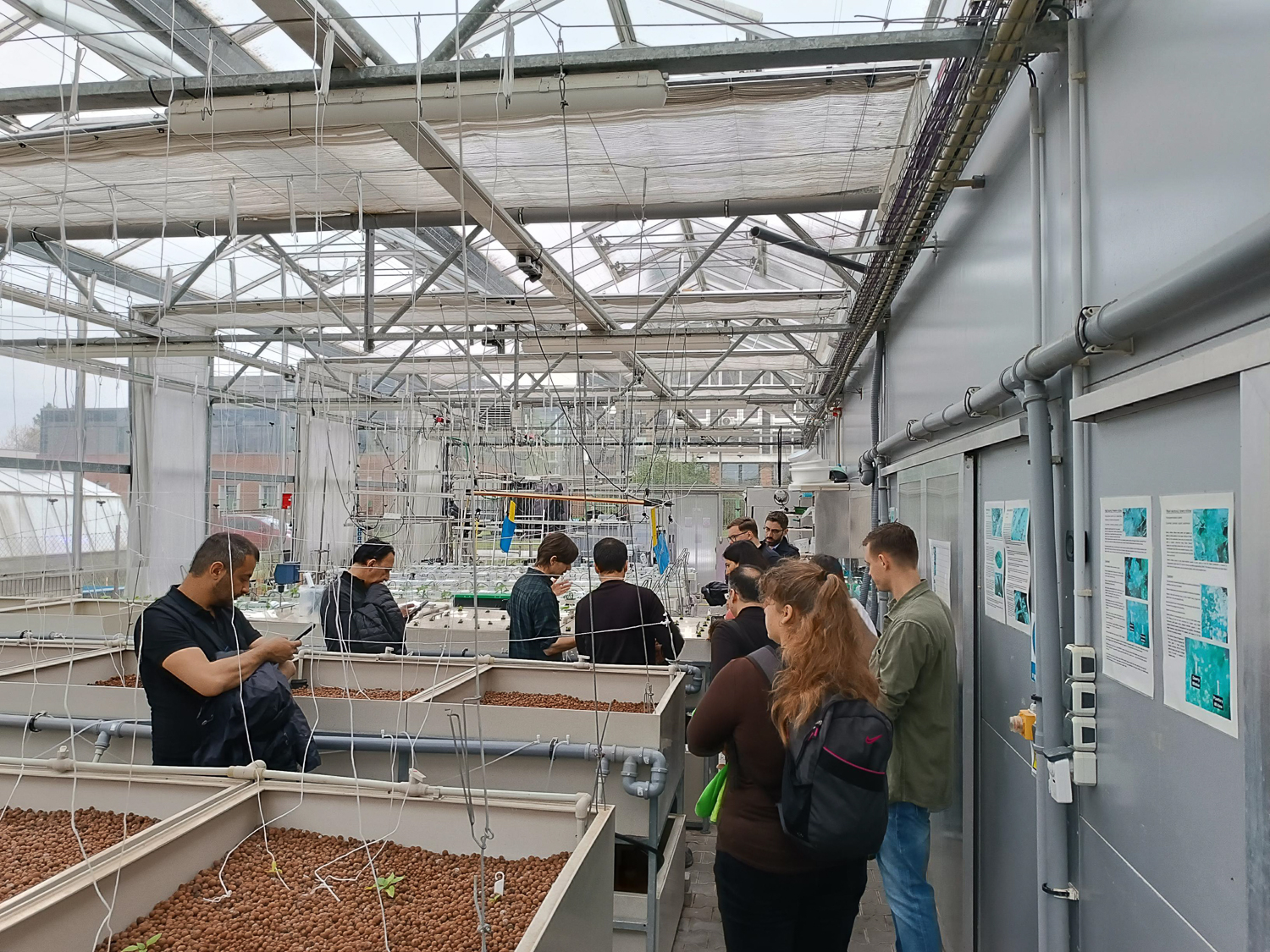
On 15–16 April 2026, an international workshop entitled Practical Training on GHG Protocol and Life Cycle Assessment was held at the Faculty of Agriculture and Technology of the University of South Bohemia in České Budějovice. The event was organised within the framework of the project Increasing Awareness on Reducing Carbon Footprint through Training in IPARD Investments (ERASMUS+ TR01-KA220-356996).
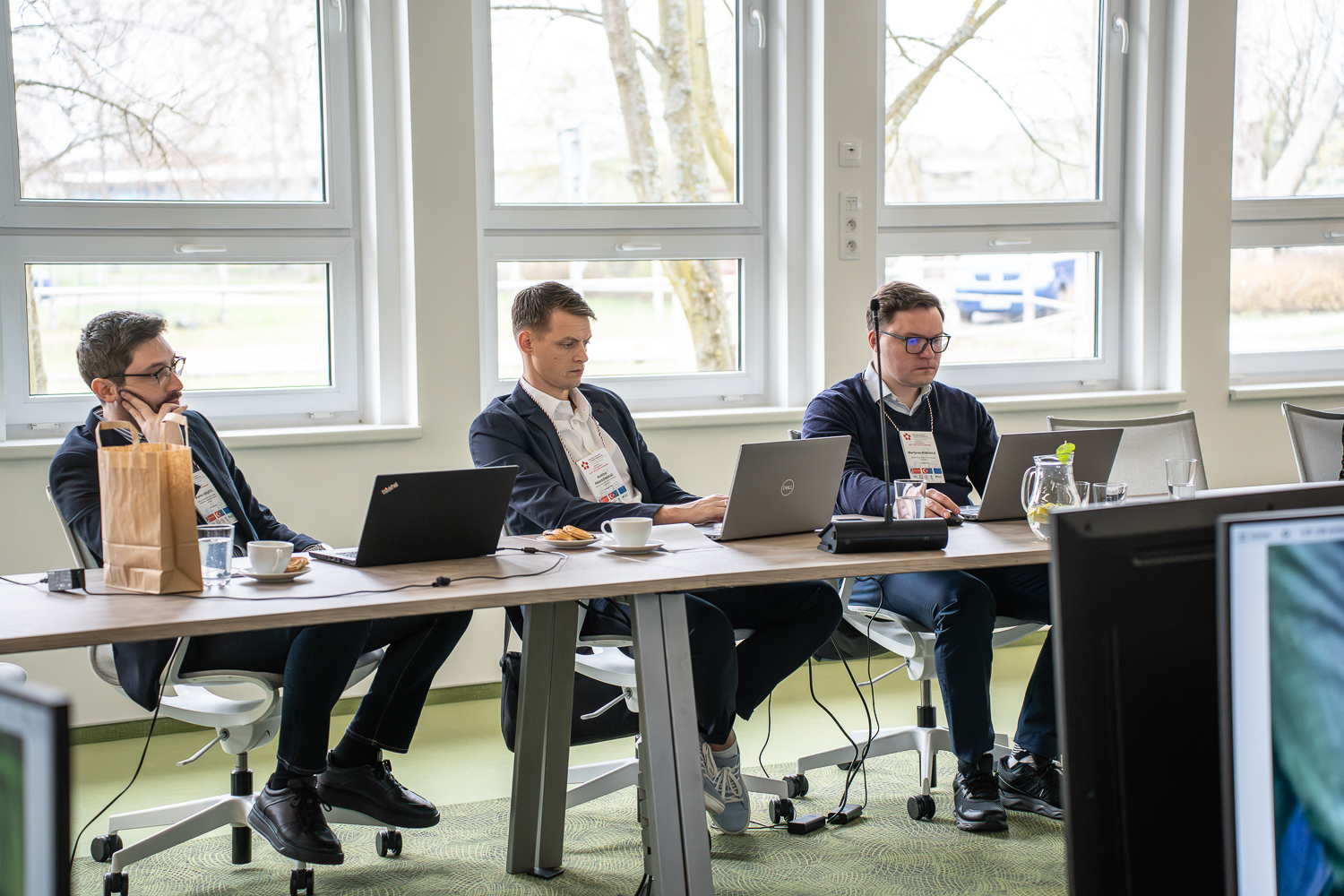
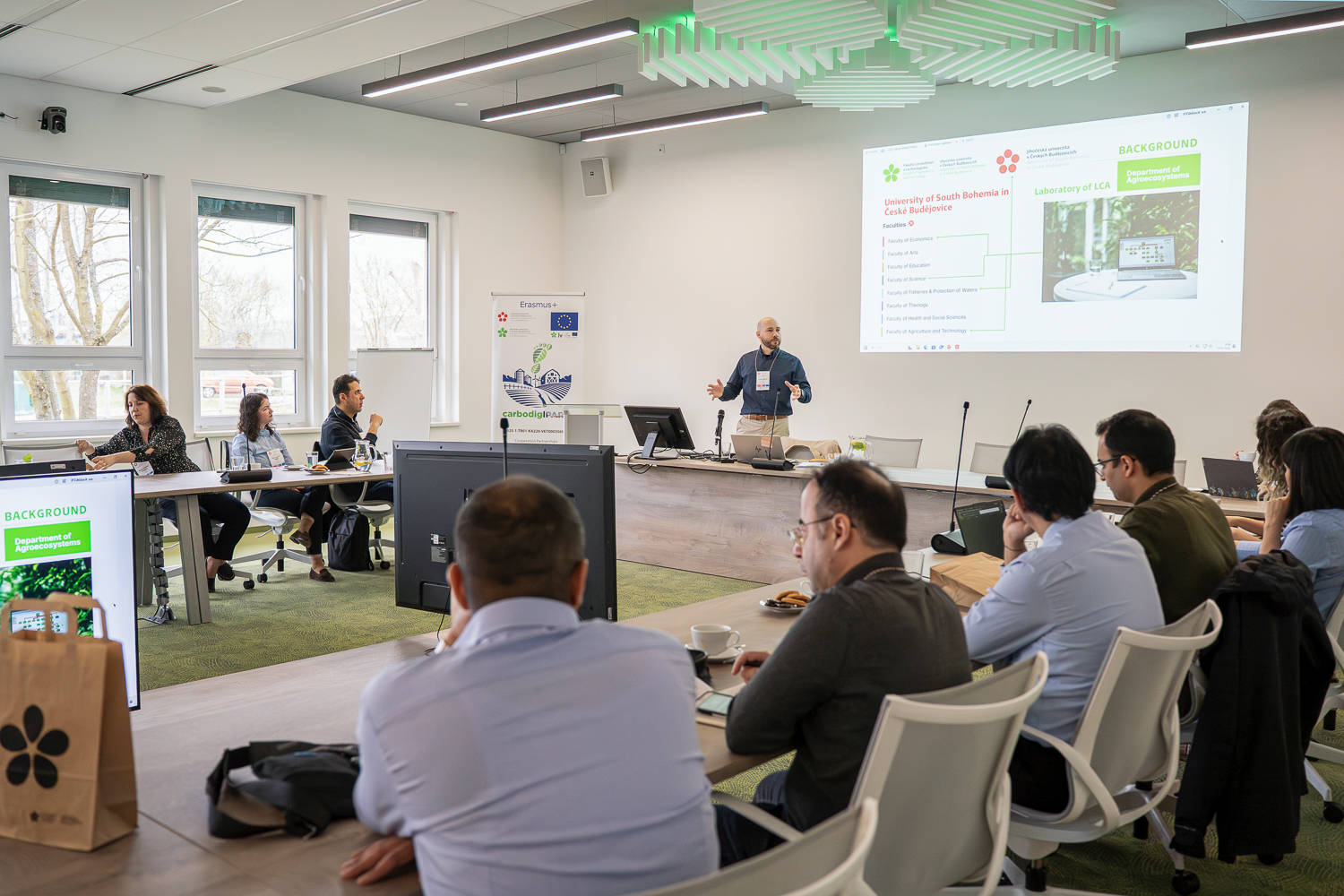
The workshop brought together representatives of academic institutions and public authorities from partner countries participating in the project, namely Türkiye, Lithuania and Serbia, including organisations responsible for the implementation of agricultural and rural development support schemes, particularly in the context of IPARD-type programmes.
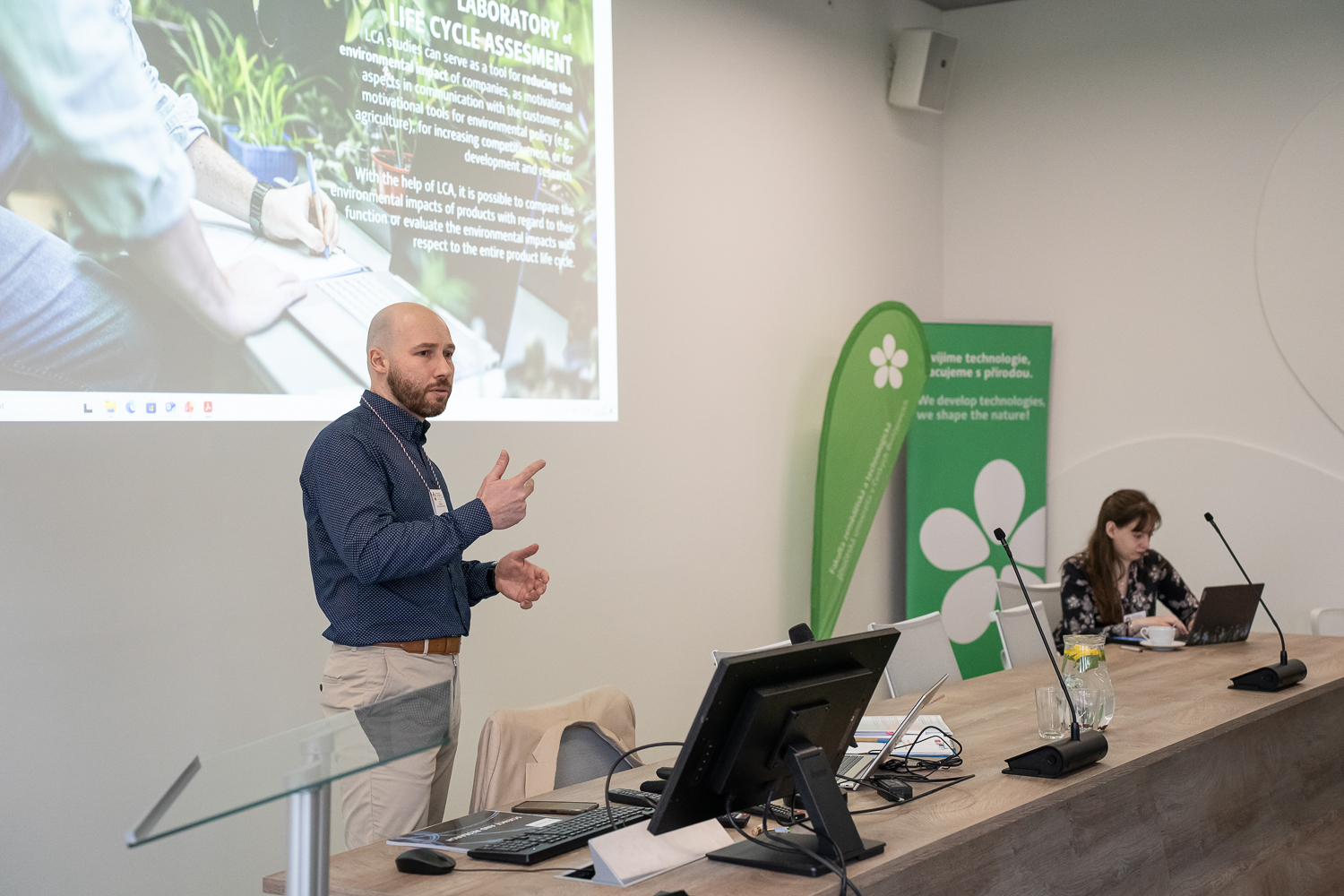
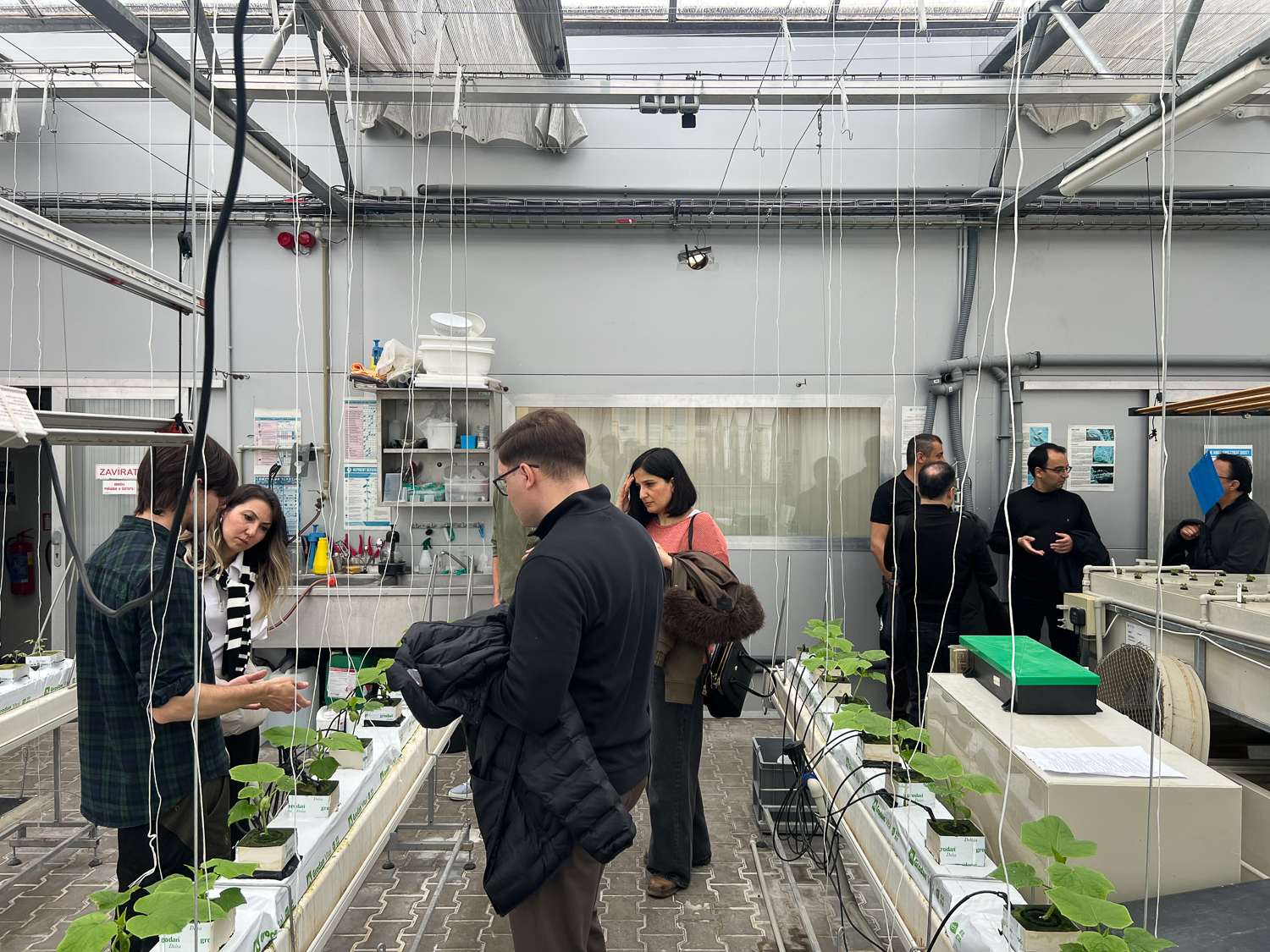
The professional programme of the first day included lectures and practical training focused on strategies for reducing environmental impacts of agriculture, the role of footprint-based assessment methods, the current EU legislative framework including CBAM, and especially practical applications of the GHG Protocol and Life Cycle Assessment (LCA) methodologies in crop and livestock production systems. The LCA training session was delivered by Assoc. Prof. Jaroslav Bernas, Ph.D., from the LCA Laboratory, who has long-term expertise in environmental assessment of agricultural systems.
The workshop also included the finalisation of a parametric questionnaire designed for collecting input data required to calculate the carbon footprint of agricultural enterprises in IPARD regions. Among other outputs, the project results will support the development of an online carbon map of agricultural enterprises in Türkiye and contribute to evidence-based decision-making processes of institutions comparable to the Czech Paying Agency for Agriculture and Rural Development.
The workshop contributed to strengthening international cooperation in the field of reducing the carbon footprint of agricultural investments and supported the exchange of methodological approaches applicable to the implementation of environmental policies in EU candidate countries.